New Orleans Mile zero
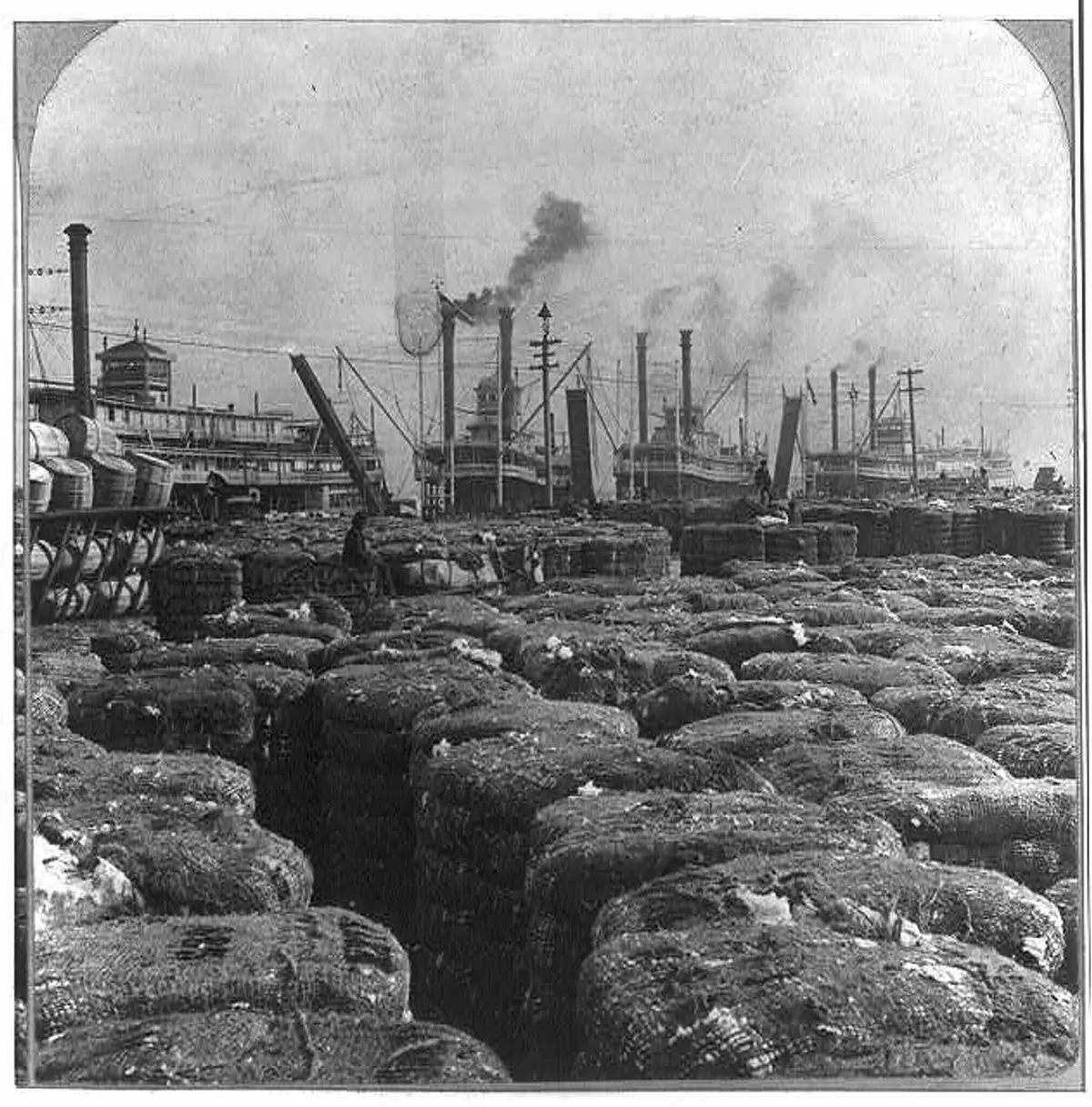
Where the highway begins
Highway 61 starts here and follows the Mississippi north. For decades, Delta cotton came down the river to this port. In time, people would make the journey the other way.
1926–1963. The land, the water, the sound and the silence of a generation that headed north and west.
Choose a route at the crossroads. Then scroll to travel, or turn the radio dial.
The Great Migration never had just one road. Between 1910 and 1970, some six million Black Southerners left along three main routes, and each one gave rise to a different music. Choose your way.
Road Rail
Map data: Natural Earth, U.S. Census Bureau
Electric blues, rock and roll and soul
Highway 61 starts here and follows the Mississippi north. For decades, Delta cotton came down the river to this port. In time, people would make the journey the other way.
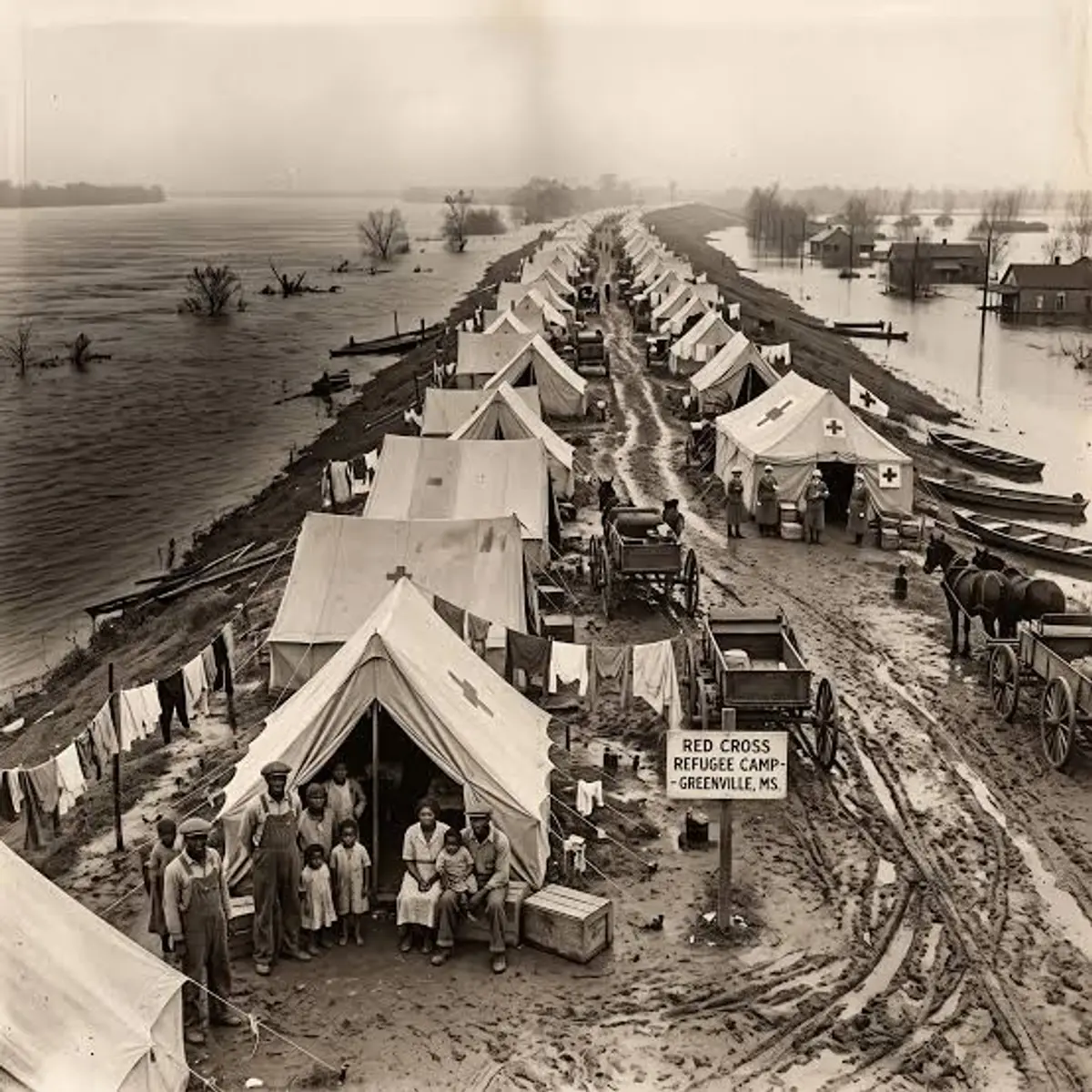
Spring 1927. After months of rain, the Mississippi overtops the levees in dozens of places and floods much of the Delta.
What the newspapers said
A model rescue. The Red Cross sets up camps for the displaced, and Commerce Secretary Herbert Hoover leads the operation. He comes out of it so strengthened that the following year he wins the presidency.
What they left out
On April 21 the levee gives way at Mounds Landing. In Greenville, thousands of Black people are confined on top of the levee for weeks. The National Guard stops them from leaving: plantation owners fear losing their labor. Many are forced to work without pay shoring up the levees.
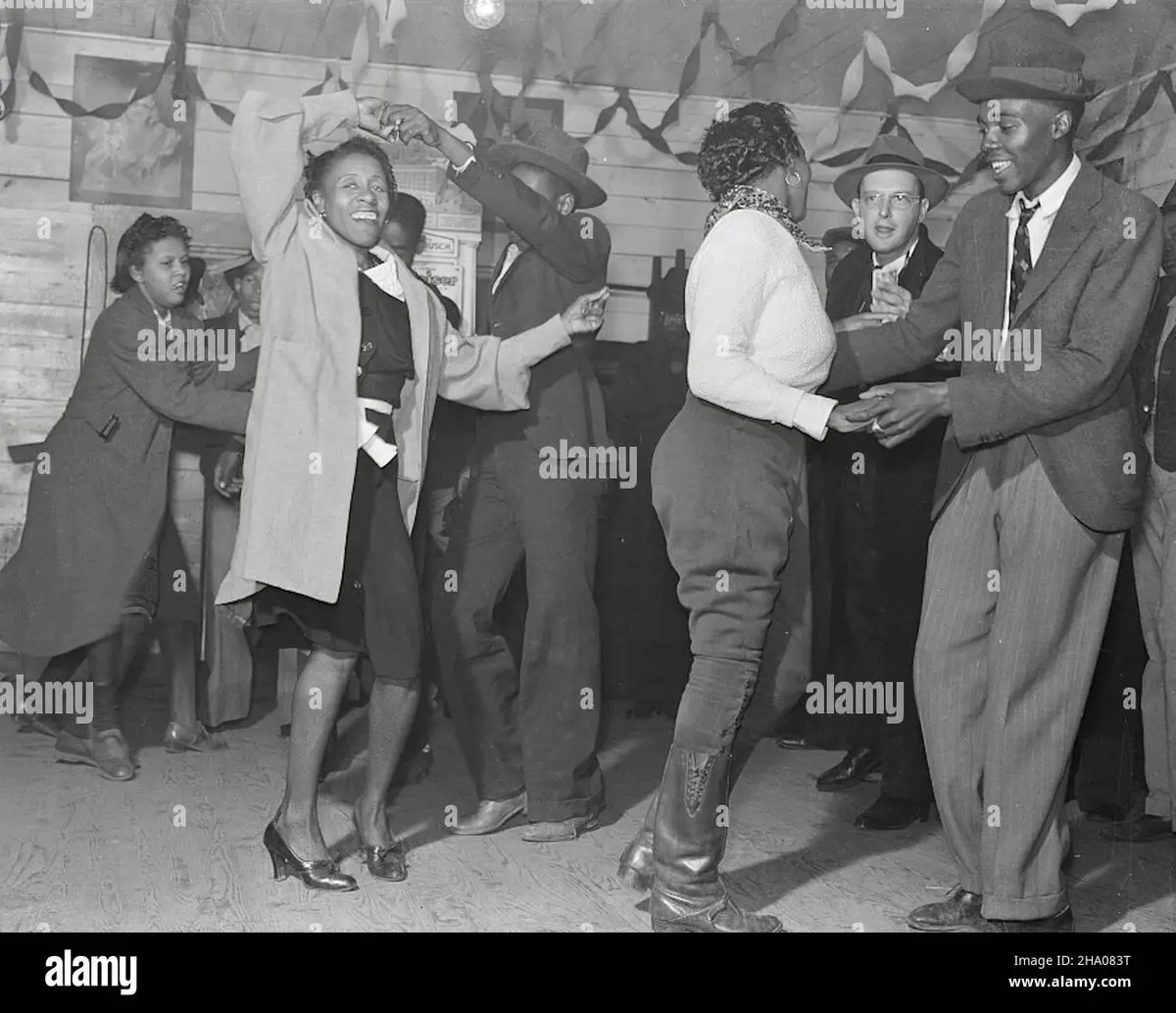
In August 1941, Alan Lomax of the Library of Congress and John Work III of Fisk University arrive at Stovall plantation looking for Robert Johnson, who had died three years earlier. Instead they find a tractor driver who plays guitar: McKinley Morganfield.
When they play the recording back to him, he hears his own voice for the first time. Years later, as Muddy Waters, he would say that was the day he realized he could be a real musician.
In the Delta they listened to KFFA 1360 from Helena, Arkansas: King Biscuit Time, on the air since November 1941.
This archive grows over time. Items being catalogued will open one by one, and some stories that are silence today will find their voice.
Back to the crossroadsPiedmont blues and jazz
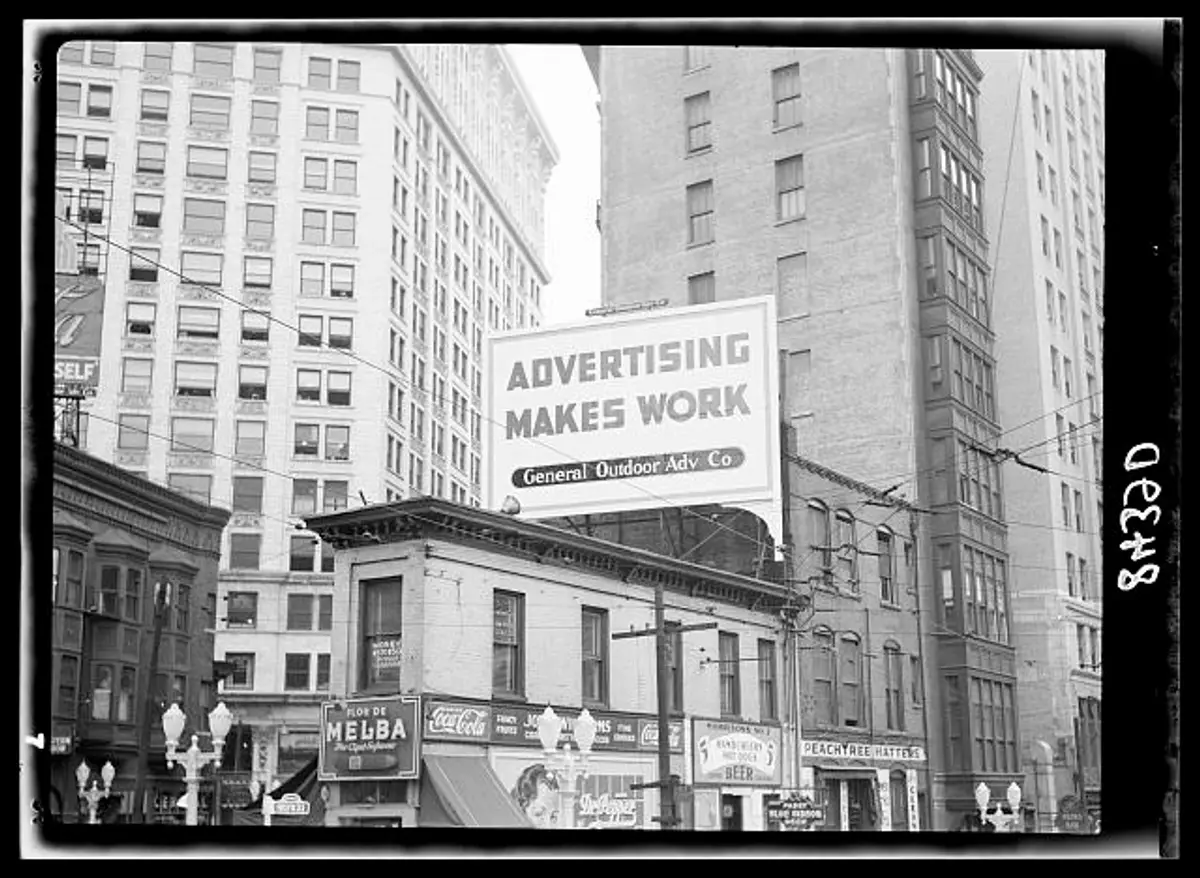
In October 1928, the Victor label sets up a temporary studio in Atlanta and records Blind Willie McTell. Blind from birth, he plays a twelve-string guitar with a fine, fast technique, somewhere between blues and ragtime.
This is the Piedmont sound, from the belt running from Georgia to Virginia: brighter than the Delta's, made for dancing and for earning a living on street corners.
What made it onto record
Statesboro Blues becomes a classic. More than forty years later, the Allman Brothers' version takes it to a mass rock audience.
What they left out
McTell kept playing for tips on Atlanta's streets and in its parking lots into the 1950s. He died in 1959, almost forgotten.
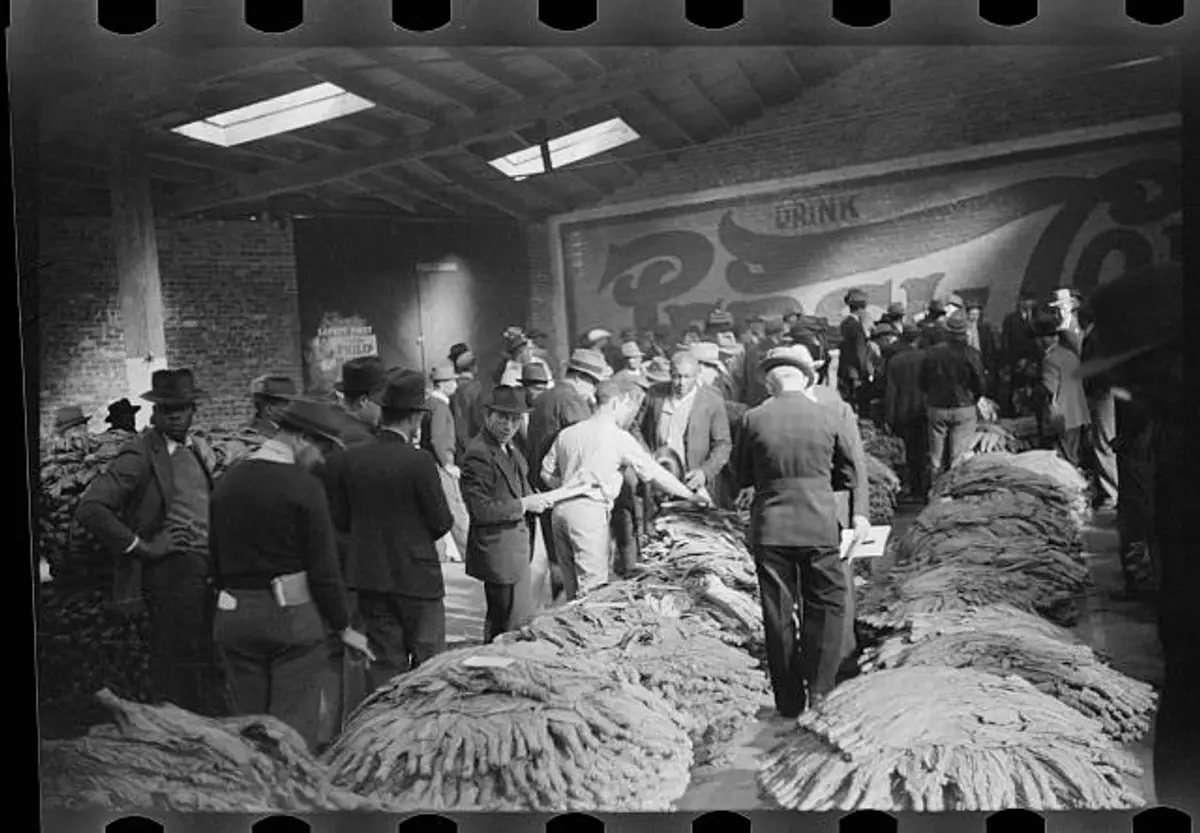
In Durham, North Carolina, tobacco auction days fill the town with farmers with money in their pockets. Outside the warehouses, Blind Boy Fuller plays.
In 1935, J. B. Long, a store manager, takes him to New York to record. Fuller becomes one of the best-selling blues musicians of the decade, recording with harmonica player Sonny Terry. He dies in 1941, still young. Terry ends up taking the same road as so many others: north, to New York.
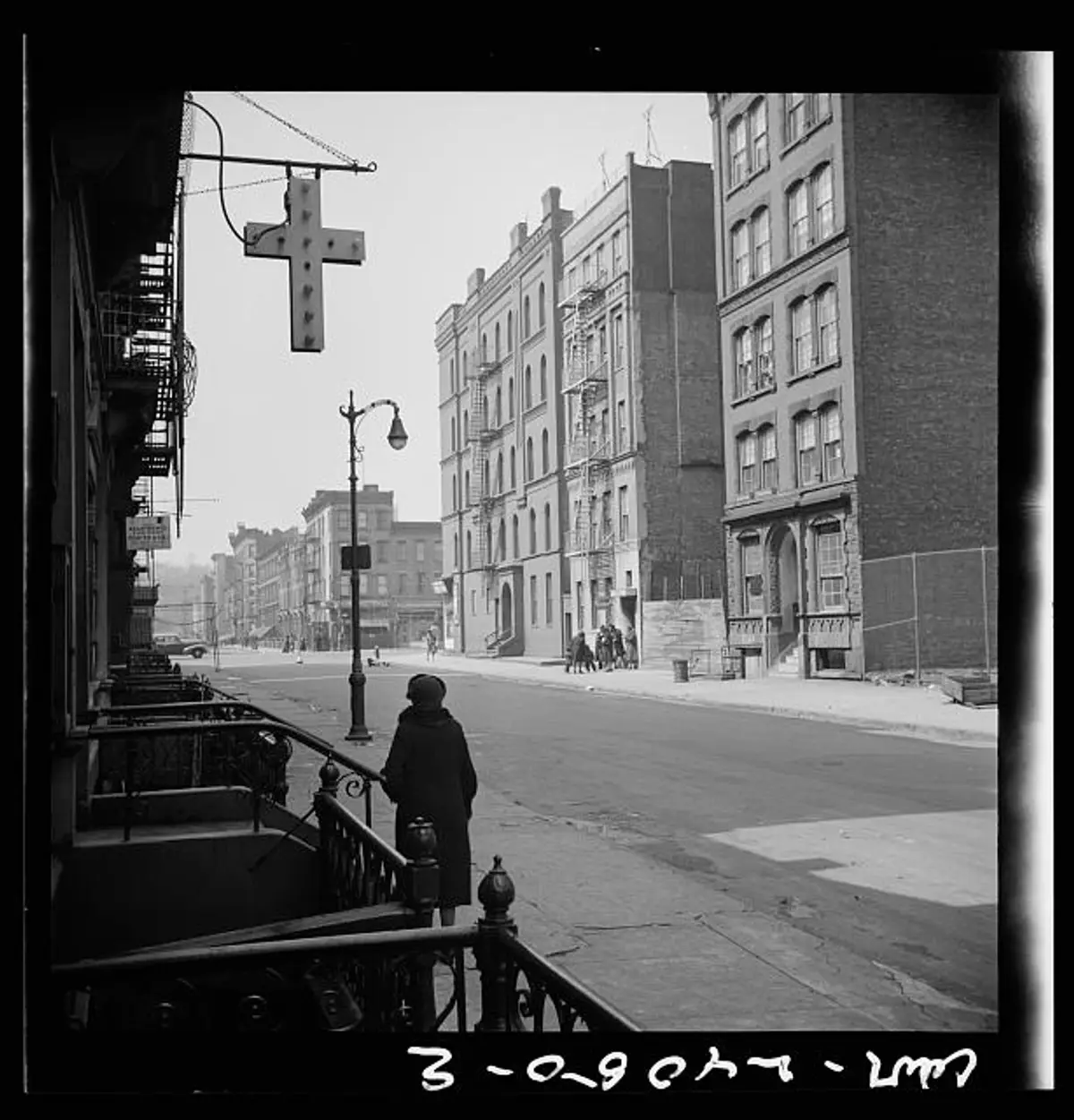
Harlem is the cultural capital of Black America. In December 1938, Café Society opens in Greenwich Village, one of the first clubs in the city where Black and white patrons sit at the same tables. There, Billie Holiday begins singing Strange Fruit, a song about lynching in the South.
What outsiders saw
Harlem's big clubs, like the Cotton Club, fill the nights with the best orchestras in the country: Duke Ellington, Cab Calloway.
What they left out
At the Cotton Club the performers were Black, but the audience had to be white. And when Holiday wanted to record Strange Fruit, her label, Columbia, refused. A small label, Commodore, released it in 1939, and many radio stations avoided it.
This archive grows over time. Items being catalogued will open one by one, and some stories that are silence today will find their voice.
Back to the crossroadsTexas blues, rhythm and blues and West Coast blues
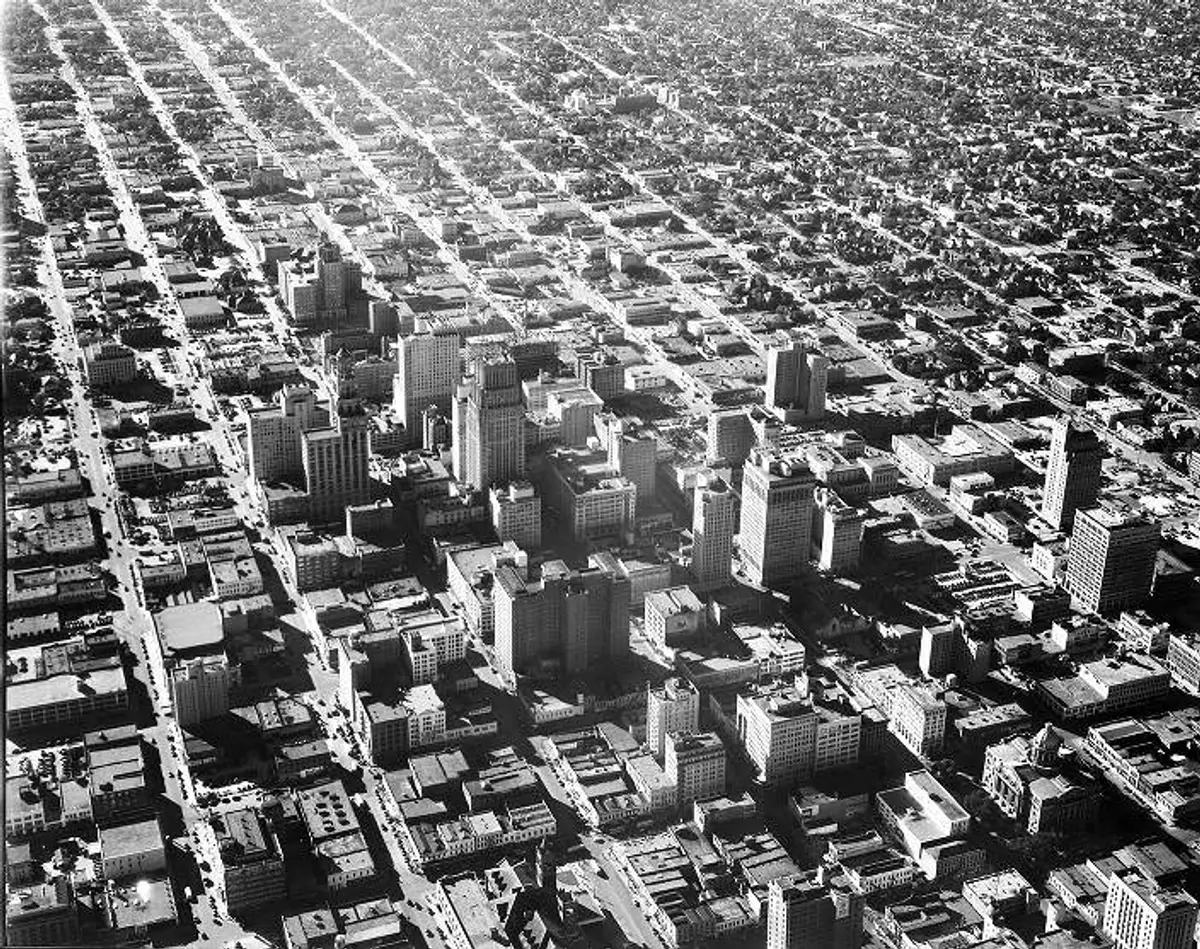
In Houston's Fifth Ward, businessman Don Robey founds Peacock Records in 1949, one of the first successful Black-owned record labels. Gatemouth Brown records there and, in 1953, so does Big Mama Thornton.
What sold millions
In 1956, Elvis Presley's Hound Dog becomes one of the best-selling records of the decade.
What they left out
Big Mama Thornton had taken it to number one on the rhythm and blues charts in 1953. Years later she said the only money she got for it was a single check for 500 dollars.
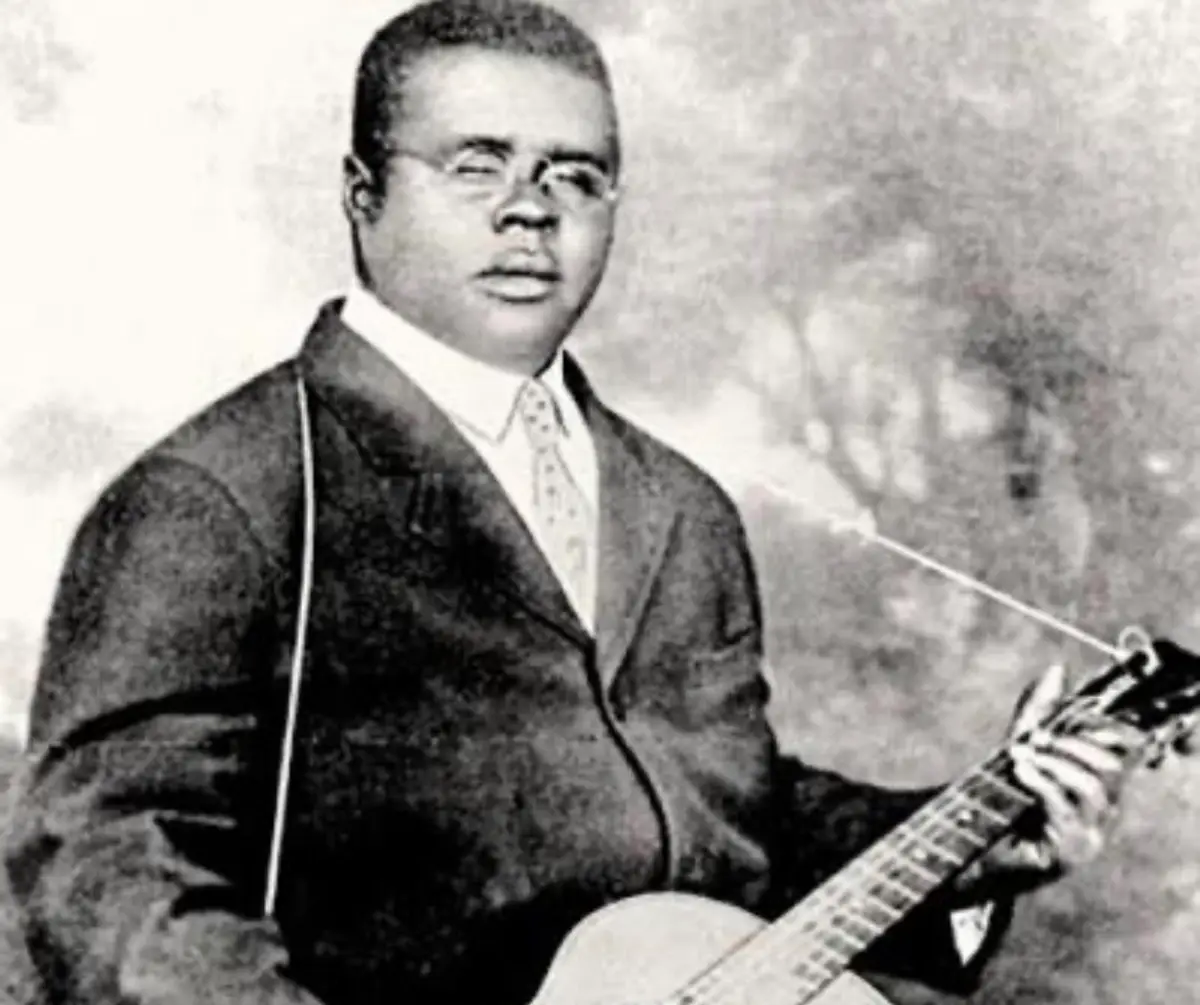
Deep Ellum is where Black Dallas goes to have a good time. Blind Lemon Jefferson sings on its streets, and a boy from the neighborhood walks with him as his guide: Aaron Thibeaux Walker, who will one day be T-Bone Walker.
In 1926, Jefferson travels to Chicago to record for Paramount and becomes the best-selling country blues artist of the 1920s. He dies in Chicago in December 1929, in circumstances that remain unclear to this day.
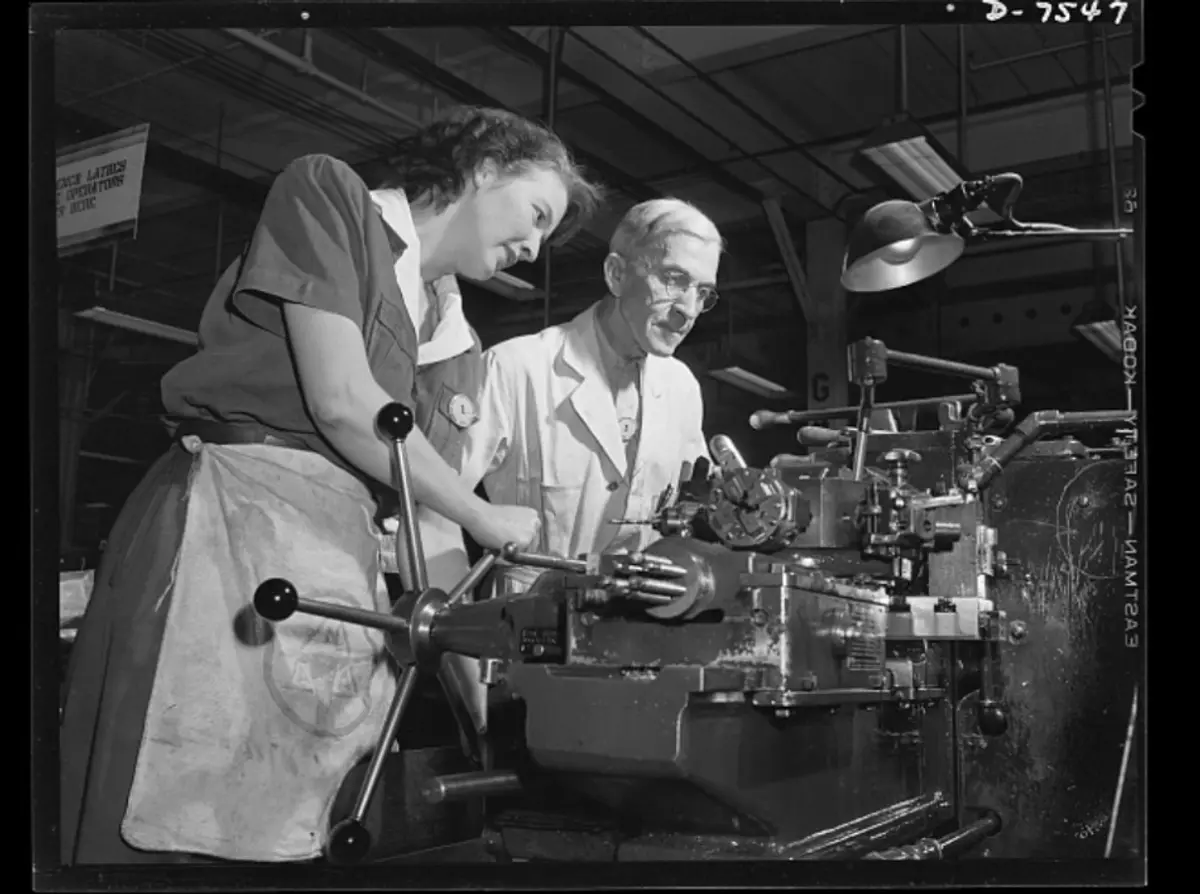
The Second World War opens shipyards and aircraft plants in California, and hundreds of thousands of Black Americans head there for work. Central Avenue in Los Angeles fills with clubs.
In 1942, T-Bone Walker records Mean Old World for Capitol on electric guitar. It is a clean, sophisticated sound that will shape B.B. King and every blues guitarist who comes after.
The promise
California means work, factory wages and a life far from Jim Crow.
What they left out
Restrictive covenants barred selling or renting homes to Black families across much of the city. Until 1948, when the Supreme Court ruled them unenforceable, many families could not live outside Central Avenue and Watts.
This archive grows over time. Items being catalogued will open one by one, and some stories that are silence today will find their voice.
Back to the crossroads